Humble Beginnings
Learn how PYCS was founded
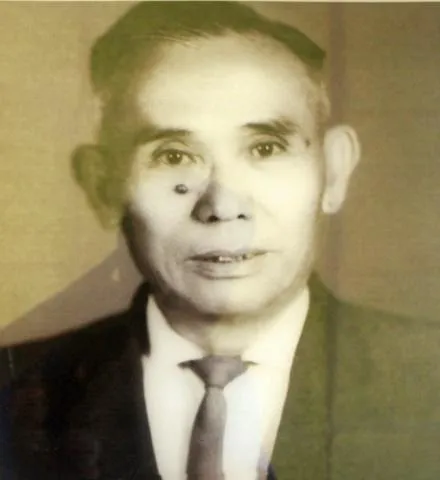
In the 1930’s, a considerable number of Chinese migrants from Mainland China found their way to Isabela. Some of them settled in the locality of Cabatuan, Aurora, and Roxas. Cabatuan was then a small, unprogressive barrio of Cauayan. Transportation was very backward and commercial activities were limited. There were only more than ten Chinese families living in these three towns, mostly businessmen engaged in corner sari- sari store and grains trading. They were not rich but deep in their hearts, they were highly nationalists. They loved their ancestral land and culture. They did not want their children to forget their Chinese origin and roots. They wanted this culture to be part of their lives, handed down from generation to generation. It was these common goal and motivation that brought these gentlemen together. The desire to provide their descendants a chance to learn Chinese traditions and values mandated them to establish a school that would serve this purpose. By putting their meager means together, they put up a Chinese school in Cabatuan, Isabela. It was founded in September 1946 by the first Board of Trustees composed of: Pedro Pua, Mariano Uy, Joaquin Uy, Lorenzo Uy, Miguel Dy, Vicente Pua, Juan Uy, Eusebio Uy, Clemente Paggabao.
It was only a rented house affair in front of the San Andres-Del Pilar auditorium with more than thirty (30) learners. They were all accommodated free. Such was the humble beginnings of the school. The school was known as Philippine Chinese Yuh Chiau School for several years, the Chinese name bearing the word “Magat”, named after the famous Magat River coursing along the adjacent towns of Cabatuan, Aurora, and Roxas, also known as the “Magat Area”, where members of the original Board of Trustees came to settle. Under the able management of the Board of Trustees, the school managed to grow and learners increased to hundreds. It necessitated a school building of its own. In 1952, the first building was constructed in Del Pilar. The school subsequently changed its name to Chinese Yuh Chiau School. During the incumbency of the Board of Trustees Chairman Eusebio Uy or Uy Cho Giok, then the youngest member of the Board, he proposed the establishment of a high school department to give access to the elementary graduates for higher education. Cabatuan then, being a poor town, has very few residents who could not afford to send their children to nearby towns or Metro Manila for further studies.
Chairman Eusebio Tan, together with the Board of Trustees members, persevered with the high school course despite the problems in additional manpower, facilities, logistics, and finances. In 1955, the English Department obtained a permit from the Bureau of Private Schools. The following year, the Chinese Overseas Commission granted the school the accreditation of the Chinese Department. Thereafter, the student population grew steadily that it necessitated the construction of additional infrastructures to accommodate learners coming from various towns in the province.
The declaration of Martial Law in 1972 brought the Filipinization of Chinese Schools all over the land. In view of perceived growing influence and discriminating policies exercised by the schools, the government, by virtue of a law, enforced that all Chinese schools with names bearing the word “Chinese”, must be changed to “Philippine” signifying that said institutions were under the Philippine sovereignty. For this reason that CHINESE YUH CHIAU SCHOOL was changed to PHILIPPINE YUH CHIAU SCHOOL. The law further required that members of the Board of Trustees, as well as school officials, must be Filipino citizens.
Founders of Philippine Yuh Chiau School
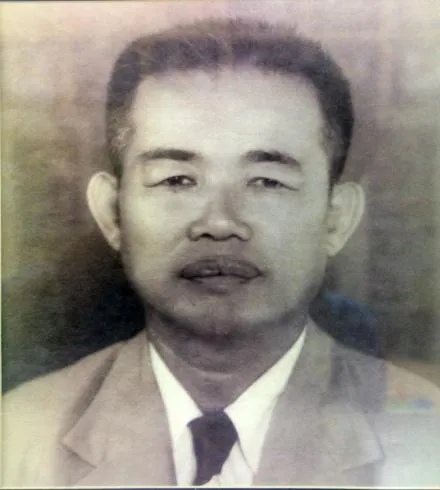
PEDRO PUA
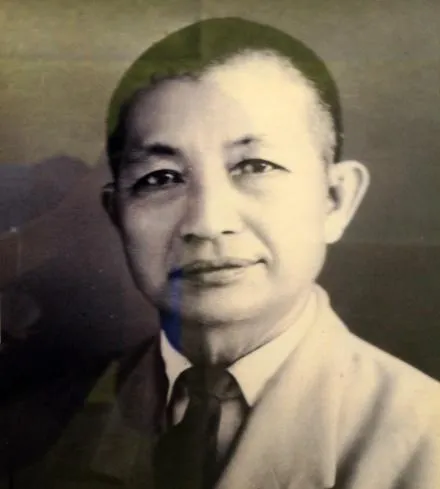
LORENZO UY
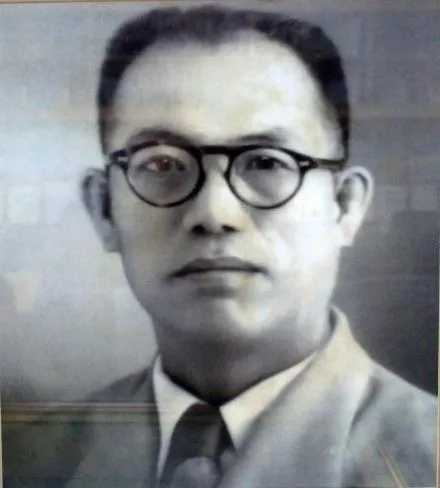
JUAN UY
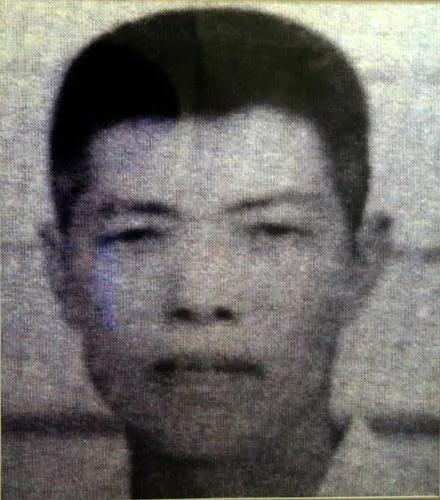
MARIANO UY
MIGUEL DY
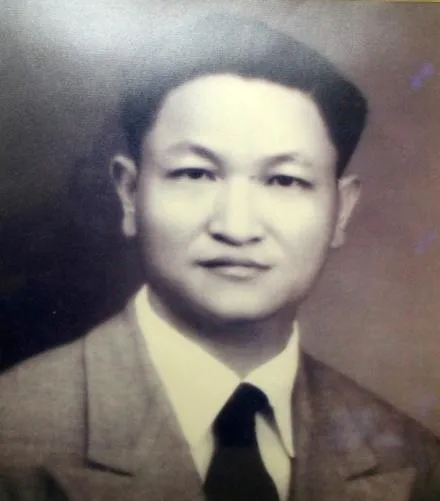
EUSEBIO UY
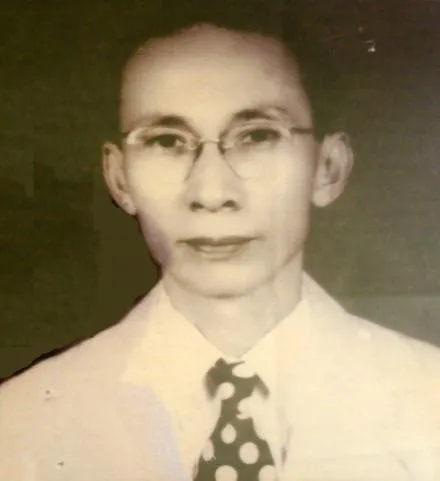
JOAQUIN PUA
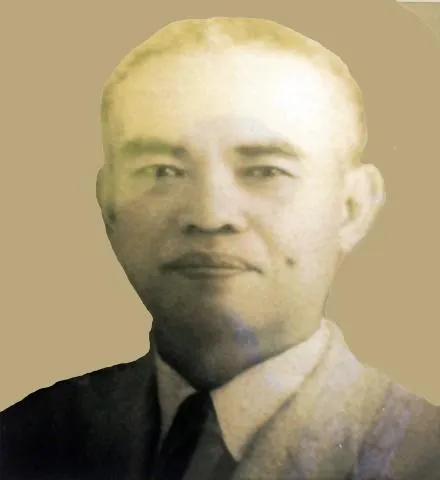
VICENTE PUA